
Misaligned Teeth Treatment in White Rock
Improve Your Bite And Smile
Understanding Teeth Misalignment
Malocclusion, or misaligned teeth, can include Crowded Teeth, Dental Spacing, rotations, or bite concerns such as Overbite, Underbite, Crossbite, or Open Bite. These concerns may develop because of genetics, jaw size, tooth position, growth patterns, missing teeth, or certain childhood habits.
Misalignment can affect more than appearance. When teeth do not fit together properly, it can make cleaning more difficult, increase the risk of plaque buildup, contribute to uneven tooth wear, and place extra strain on the jaw. A dental evaluation helps identify the type of misalignment and whether orthodontic treatment may be helpful. Common Causes:
Genetics, Jaw Size, or Natural Growth Patterns
Crowded, Missing, or Unevenly Spaced Teeth
Thumb Sucking, Tongue Habits, or Bite Changes
Improving Alignment and Bite Function
At Altus Dental, we provide misaligned teeth treatment White Rock patients can trust by assessing your teeth, Bite Alignment, and overall oral health before recommending treatment options. Understanding the type and severity of misalignment helps our team guide you toward care that supports both smile appearance and long-term function.
Depending on your needs, treatment may include orthodontic options such as Invisalign, Clear Aligners, or other recommendations designed to support gradual Tooth Movement. We provide orthodontic consultation White Rock patients can rely on to help create a healthier, more balanced smile that is easier to clean and more comfortable to maintain. Treatment may help:
Improve Bite Alignment and Function
Enhance the Appearance of Your Smile
Make Teeth Easier to Clean
Reduce Uneven Tooth Wear
Support Healthier Gums and Teeth
Common Alignment Concerns
Misalignment can appear in different ways. Our team can evaluate your teeth and bite through an Orthodontic Assessment to help explain what may be contributing to your concerns and discuss treatment options for children, teens, and adults.
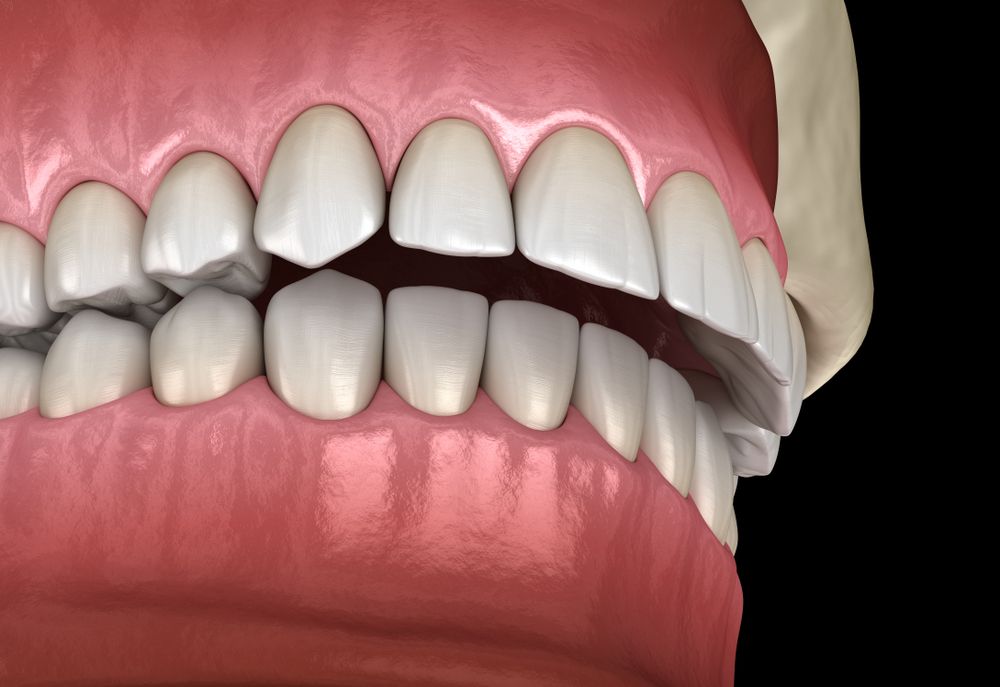
Overbite
Upper teeth overlap the lower teeth more than normal.
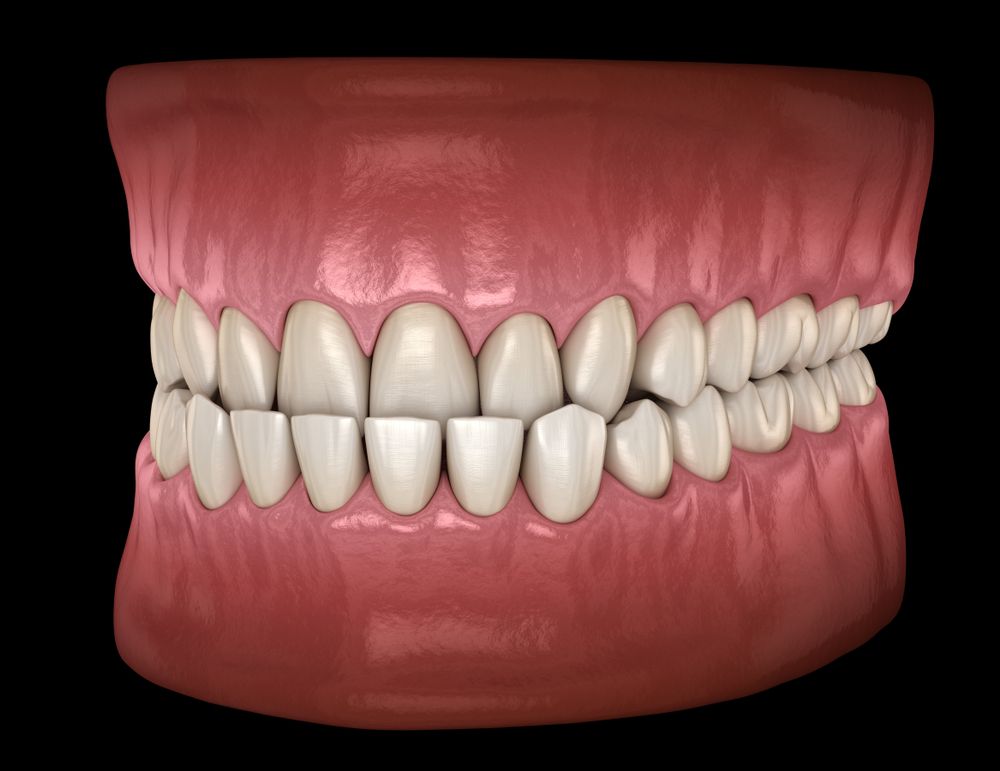
Underbite
When lower teeth sit forward past the upper teeth.
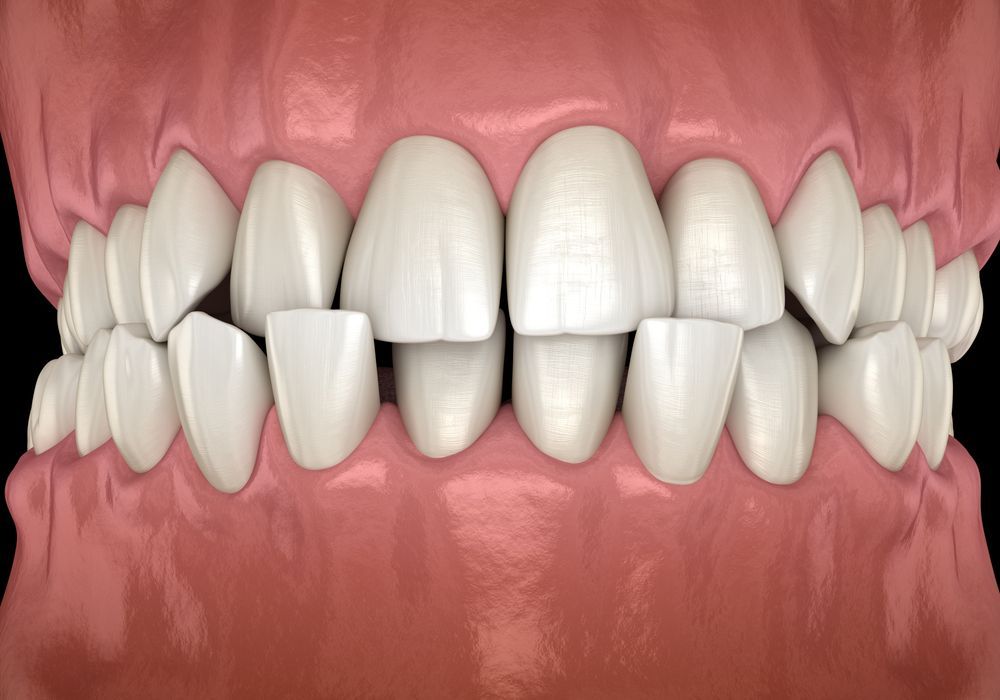
Crossbite
Upper and lower teeth do not meet correctly.
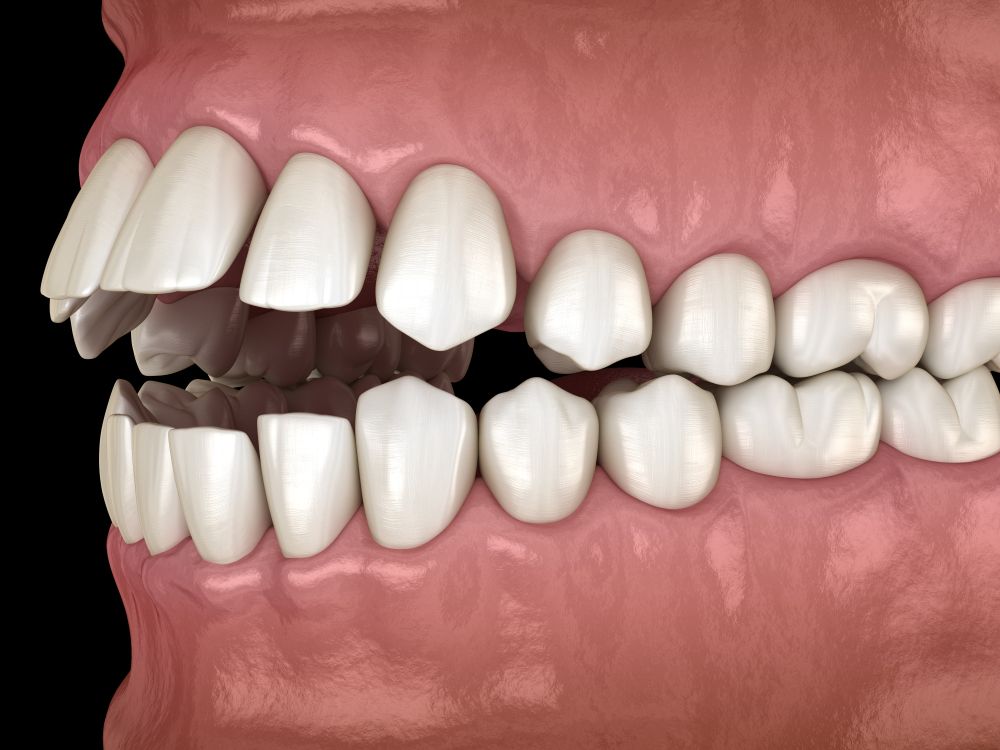
Open Bite
When upper and lower teeth do not fully touch.
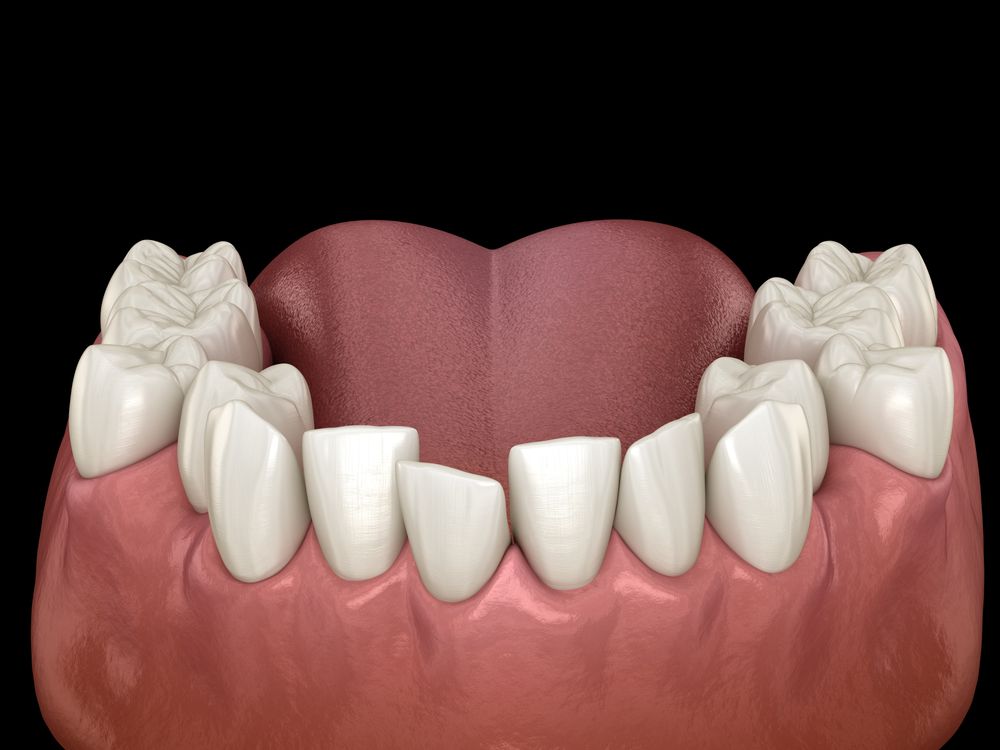
Crowded Teeth
Teeth overlap because there is limited space.
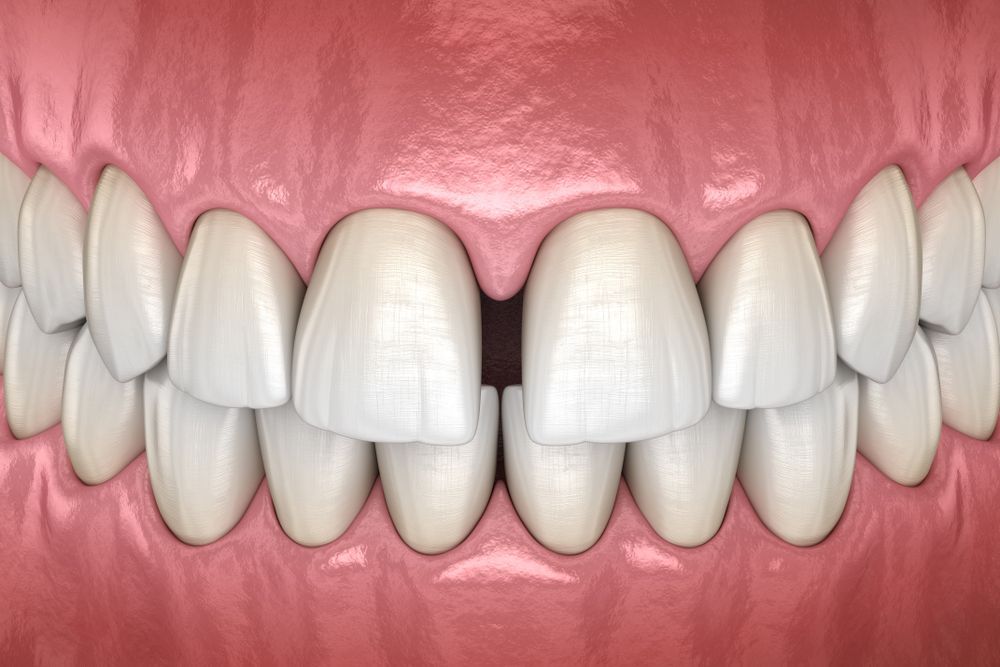
Gapped Teeth
Spaces between teeth affect alignment and appearance.